Basic materials is still firmly in an upswing. It's approaching a minor two month trend line and the longer term upward move is still firmly in place. This ETF would have to drop about 5% more to be worried. That means the last two days of the sell-ff are profit taking.
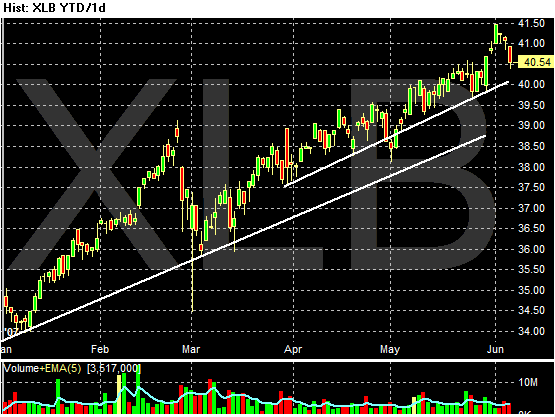
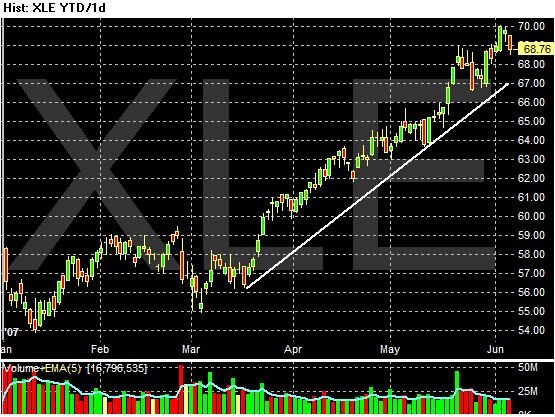
Energy is the exact same analysis as basic materials. This ETF would have to drop 2.5% before we should become concerned about the degree of selling.
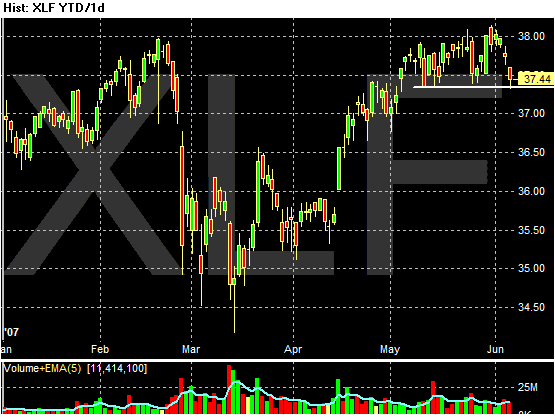
Financials have been in a range for the last month, which is probably the formation of either a top or a base for further moves up. We won't know the actual direction until this ETF actually moves. Now this sector is approaching a crucial support level around $37.50 and a move below there could spell trouble. Also remember that financials are the largest sector component of the S&P, so here we have some concern.
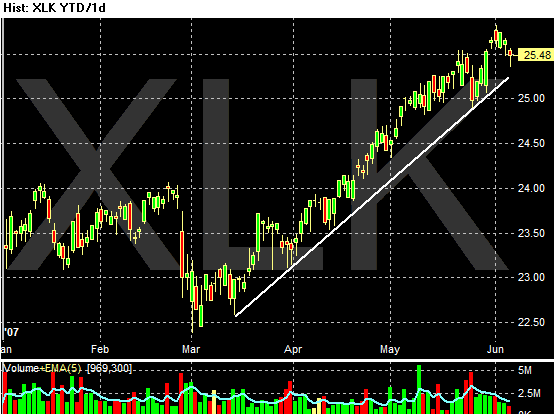
Technology is still in a rally, although this ETF is only about 1% above the trend line. The sell-off has been on low volume, so this sector isn't a major concern.
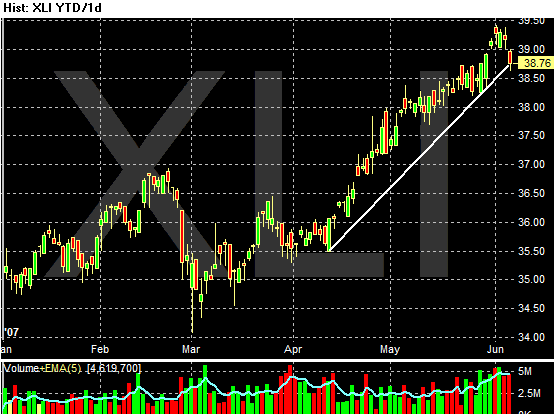
Industrials are at the trend line and have sold off on heavy volume. They rallied off this trend line in late May. This sector is important to the rally, so a move below the trend line could raise a few caution flags.
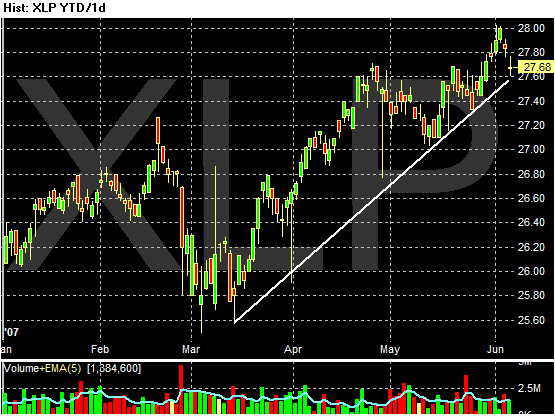
Consumer Staples are also at a trend line. However, this is a very slow moving sector and I wouldn't expect it to go crashing through any trend line in a rally or decline.
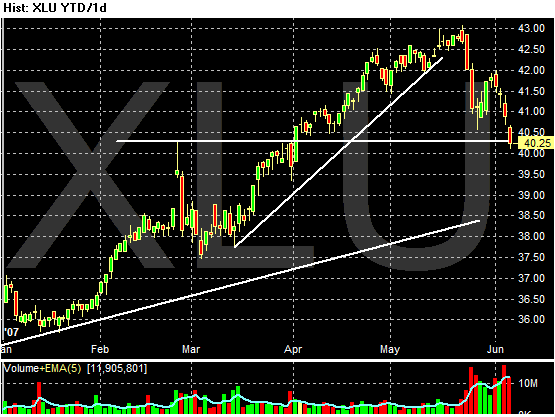
Utilities are a big red flag. They've been declining since late May on heavy volume. That should cause some concern all across the trading world. Some of the decline is probably interest rate related. Utilities are considered a high dividend market area. As bond yields rise the increasing Treasury yields compete with utilities for investors. In addition, utilities have high fixed costs making this ETF more interest rate sensitive. This is a big warning flag.
Health Care is approaching a support level, but like consumer staples this is a slow moving sector.
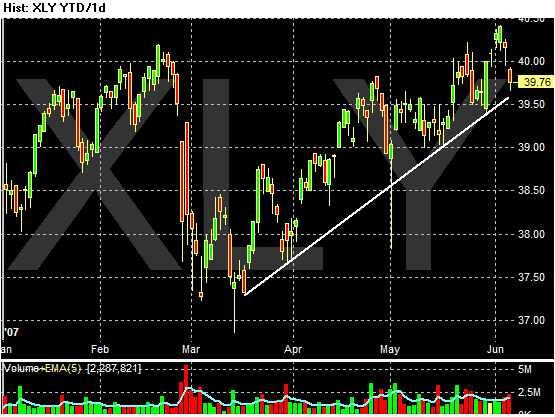
Consumer Discretionary is approaching the trend line on somewhat higher volume. But it did this before and rebounded.
So in order of importance we have
1.) Utilities: For people who believe in the Dow Theory (which I do), this is a bif warning sign.
2.) Industrials: declining on high volume.
3.) Financials: The largest S&P sector is near a trend line.

